
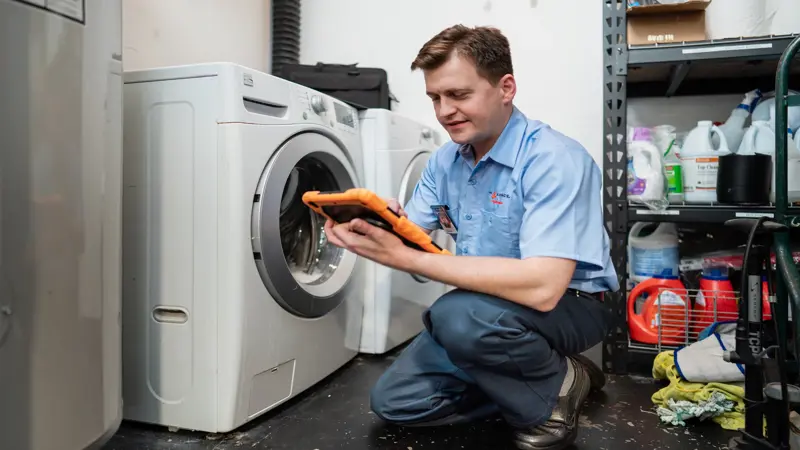
Clermont appliance repair becomes urgent the moment your fridge stops cooling on a hot afternoon or your washer refuses to spin with a full load inside.
I remember standing in my kitchen one evening, hearing a strange clicking sound from the refrigerator, thinking it would magically fix itself.
It didn’t.
Within hours, groceries were at risk, and the panic kicked in.
That’s when I realized how important it is to understand the early warning signs and act quickly.
Why appliances fail when you least expect it
Appliances rarely break without leaving clues.
The problem is, most homeowners ignore those signals until it’s too late.
A dryer taking longer to dry clothes or a dishwasher leaving residue isn’t just a bad cycle.
It is often a mechanical or electrical issue waiting to escalate.
Heat buildup, clogged filters, and aging components quietly push appliances toward failure, which is why many homeowners turn to Clermont appliance repair before small issues spiral into costly breakdowns.
Early warning signs you should never ignore
Strange noises and vibrations
A loud banging washer or a humming refrigerator is not normal.
These sounds usually point to motor strain, loose components, or failing bearings.
Ignoring them can turn a small repair into a full replacement.
Inconsistent performance
When your oven heats unevenly or your fridge struggles to maintain temperature, something is off.
Thermostats, sensors, or internal wiring might be failing.
Rising energy bills
One thing I noticed before my fridge gave up was a spike in my electricity bill.
Appliances working harder than they should often consume more energy.
That is a silent warning most people overlook.
The real cost of waiting too long
Delaying repairs rarely saves money.
In fact, it often doubles the expense.
A small fix like replacing a worn belt or cleaning a clogged vent can prevent major damage.
Once internal components fail, repair costs increase dramatically.
In some cases, replacement becomes the only option.
I have seen homeowners spend thousands simply because they ignored a minor issue for weeks.
What actually happens during a repair visit
Many people feel unsure about calling a technician because they do not know what to expect.
A professional typically starts with a full diagnostic check.
They inspect electrical connections, test components, and identify the root cause.
Good technicians do not just fix the visible problem.
They look for underlying issues that could cause future breakdowns.
This approach saves both time and money in the long run.
Common appliance problems and quick insights
Refrigerator issues
Warm air inside usually points to a faulty compressor, blocked vents, or dirty condenser coils.
I once fixed a cooling issue just by cleaning the coils at the back.
It is simple but often ignored.
Washing machine failures
If your washer will not drain, the pump or drain hose might be clogged.
Overloading is another common cause of breakdowns.
Oven and stove problems
Uneven cooking often traces back to heating elements or faulty temperature sensors.
Gas stoves may also face ignition issues due to debris buildup.
Preventive maintenance that actually works
Regular maintenance is the easiest way to avoid sudden breakdowns.
Clean filters, check hoses, and inspect connections every few months.
Do not wait for something to fail before taking action.
Simple habits like not overloading machines and keeping vents clear can extend appliance life significantly.
I have personally avoided multiple repairs just by sticking to a basic maintenance routine.
When to repair and when to replace
Not every appliance should be repaired.
If the repair cost is more than half the price of a new unit, replacement might be smarter.
Age also matters.
Appliances older than 10 to 15 years are more prone to repeated issues.
However, newer models with minor problems are usually worth fixing.
The key is making an informed decision based on cost, efficiency, and long-term value.
Finding reliable help without stress
Choosing the right technician can make all the difference.
Look for experience, clear communication, and transparent pricing.
Avoid services that give vague estimates or rush the process.
A good technician will explain the issue in simple terms and offer practical solutions.
Real life lessons from unexpected breakdowns
One winter, my dryer suddenly stopped heating.
At first, I assumed it was a major issue.
But after a quick inspection, it turned out to be a clogged lint trap restricting airflow.
That small blockage caused overheating and triggered a safety shutdown.
It was a simple fix that could have been avoided entirely with regular cleaning.
Experiences like this teach you that not every problem is complex.
Sometimes, awareness is all you need.
How to stay prepared for future issues
Keep a basic checklist for your appliances.
Know where the power shut off is.
Understand how each appliance should normally function.
When something feels off, trust your instincts and investigate early.
Having a trusted repair contact saved in advance can also reduce panic during emergencies.
Preparation turns stressful situations into manageable ones.
Final thoughts on handling sudden appliance failures
Appliance breakdowns are never convenient, but they do not have to be overwhelming.
Understanding the warning signs, acting quickly, and maintaining your equipment can make a huge difference.
The goal is not just fixing problems.
It is preventing them from happening in the first place.
With the right approach, you can save money, reduce stress, and keep your home running smoothly.
