
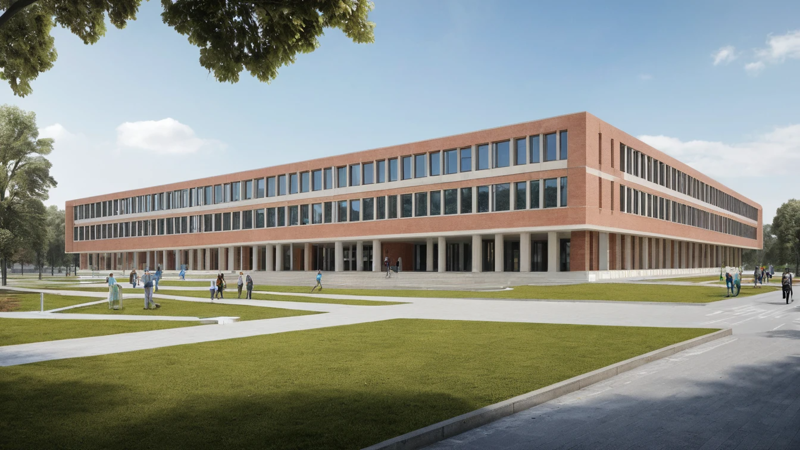
When people think about construction, they picture new buildings going up or crews working behind fences. Institutional construction is different. This type of work includes schools, hospitals, municipal buildings, and big commercial spaces. A lot of these places stay open while construction is happening, which makes the job more complicated than it seems from the outside.
In Ontario, contractors working on institutional projects face growing pressure. Deadlines are shorter, rules are stricter, and costs are harder to predict. Even small changes can cause delays when a lot of people and systems are involved. Because of this, a big part of the work now happens before construction even starts.
One company experiencing this is Dole Contracting, an institutional and general contracting company in Woodbridge. The owner says planning has become one of the most important parts of any project.
“If the planning part isn’t done carefully, problems show up later,” he says. “Good coordination early saves time and stress once the work starts.”
Institutional projects usually involve more people than other types of construction. Sometimes, there are building managers, city officials, inspectors, engineers, and multiple subcontractors involved. Each group has its own responsibilities and rules. Keeping everyone on the same page means communicating effectively and setting expectations.
Another challenge is that many of these buildings are still being used daily. A school cannot stop classes for weeks at a time. A medical facility still needs to take care of patients. Office buildings need to stay open for tenants. Contractors must work around these daily routines while keeping people safe.
“You are building in places where people still need to move around. That changes how you plan every step of a project,” says Dole Contracting.
Because of this, work is done in stages. Loud or disruptive tasks might happen after hours or during less busy periods. Access points must be clearly marked. Safety barriers must be set up and maintained. These details may seem small, but they can determine whether a project feels manageable or stressful for the people using the building.
Materials and scheduling add more challenges. A lot of institutional projects have specific budgets and formal bidding processes. Materials might need to be ordered months in advance. If something arrives late or costs change, adjustments have to be made quickly to avoid delays.
Contractors with experience in this type of work learn to think ahead. They track timelines and plan for backup options. This kind of preparation helps prevent problems from spreading throughout the project.
Paperwork has become a bigger part of the job. Safety plans, progress updates, inspections, and approvals all need to be documented. While this takes time, it helps everyone understand what is happening and why certain decisions are made.
“There is less guesswork than there used to be. Before a project starts, every detail needs to be clear and mapped out,” says Dole Contracting.
In places like Woodbridge and nearby communities, institutional construction focuses on improving existing buildings instead of building new ones. Older schools, offices, and facilities need upgrades to stay safe and usable. This work may not be very visible, but it keeps important spaces running properly.
Success in these projects is not just about building aesthetics in the end. It is also about how well the work fits into daily life. When people can keep using the space with minimal disruption, the project is doing its job.
“Ultimately, what matters is that the building works and people feel informed throughout every step. If that happens, the project has done what it needed to do,” says Dole Contracting.
Institutional construction may not attract a lot of attention, but it supports many parts of everyday life. Behind the scenes, careful planning, effective communication, and practical decisions help keep schools open, services running, and buildings safe. That quiet consistency is what allows these spaces to keep serving the people who need them.
