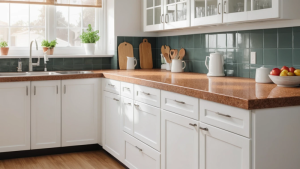
Porcelain countertops vs quartz—discover key differences, pros, cons, and costs to choose the best material for your dream kitchen with confidence.
Porcelain countertops vs quartz differ in durability, maintenance, heat resistance, style options, and cost. Porcelain handles heat better and is lighter, while quartz offers deeper patterns and durability. Choosing between them depends on budget, aesthetics, and lifestyle needs.
Porcelain Countertops Vs Quartz: Which One Truly Fits Your Kitchen?
Have you ever stood in a showroom staring at stunning countertop slabs and thought, “Why is choosing between porcelain and quartz so hard?” You’re not alone. Many homeowners feel torn because both materials look gorgeous and promise durability. But the real question is… which one fits your home and lifestyle better?
Let’s break down the battle between porcelain countertops vs quartz in a simple, friendly, and deeply helpful way so you can pick the perfect surface with total confidence.
What’s The Key Difference Between Porcelain And Quartz? ⭐
The biggest difference comes down to how they’re made and how they perform.
- Porcelain is a man-made ceramic material fired at extremely high temperatures.
- Quartz is engineered stone made from crushed quartz crystals and resin.
Both sound strong—and they are—but they shine in different ways. So, let’s dive deeper section by section.
Understanding Porcelain Countertops
Porcelain countertops come from natural clay that’s baked into an ultra-strong slab. This process makes it incredibly lightweight yet tough. Many people choose porcelain because it delivers the sleek European-style modern look that’s trending today.
Porcelain also resists UV rays, which means it won’t fade in sunlight. This alone makes it popular for outdoor kitchens and bright indoor spaces. If you love a clean, minimalist vibe, porcelain may already be calling your name.
Understanding Quartz Countertops
Quartz countertops offer a polished, luxurious look that feels timeless. These slabs are engineered using natural quartz crystals and binding resins, giving them rich color depth. This is why quartz often looks more “premium” at first glance.
Quartz is also non-porous, so spills don’t easily stain, and bacteria can’t seep in. It’s an excellent choice for busy families who want something durable yet beautiful. If you love bold veining and marble-like patterns, quartz brings that style effortlessly.
Visual Style Differences
Both materials look stunning, but the aesthetics are different.
Quartz offers deep veining and stone-like patterns that mimic marble or granite. These patterns run throughout the slab, giving it a natural look.
Porcelain, on the other hand, can replicate almost any material—wood, concrete, metal, marble—with incredible accuracy. But the pattern is printed on the surface, not throughout the slab.
Here’s a quick comparison:
- Quartz = deep, natural, rich stone appearance
- Porcelain = highly customizable surface design
- Both = luxurious and modern in their own ways ✨
Durability And Strength
When it comes to impact resistance, quartz usually wins because the resin makes it slightly flexible and less brittle. It can handle accidental bumps from heavy pots a bit better than porcelain.
However, porcelain has its own strength. It resists scratches extremely well, even better than quartz in many cases. It also won’t fade in sunlight, chip easily, or lose its finish over time.
Both are strong, but their strengths are different depending on your lifestyle.
Heat Resistance Performance
Here’s where porcelain shines. You can place hot pans on porcelain without worrying. Its manufacturing process involves extreme heat, so your cookware won’t bother it.
Quartz, however, does not love high temperatures. The resins inside quartz can discolor if exposed to hot pots or pans. You’ll always want to use a trivet or hot pad with quartz countertops.
If you cook a lot or forget trivets often, porcelain might be the safer choice.
Maintenance And Cleaning
Both materials are low maintenance, but porcelain edges out slightly in this category. Porcelain is fully non-porous and requires zero sealing. You only need mild soap and water for cleaning.
Quartz is also non-porous but is more sensitive to harsh cleaners. Strong chemicals can damage the resin and cause dullness over time.
Here’s a simple snapshot:
- Porcelain: soap + water = done
- Quartz: gentle cleaners only
- Both: easy to maintain with daily wiping
Installation And Workability ️
Porcelain slabs are thinner and lighter, making them easier for installers to carry. However, cutting porcelain requires skill because it can crack if handled incorrectly. Installers need special blades and experience.
Quartz is thicker and heavier, but it’s easier to fabricate. Contractors often prefer working with quartz because it’s less delicate during cutting and shaping.
If you plan custom edges or curves, quartz offers more flexibility.
Cost Comparison
Cost varies widely based on brand, thickness, and design. But here’s a general idea:
- Porcelain countertops: similar to mid–high quartz pricing
- Quartz countertops: ranging from affordable to luxury tiers
Quartz tends to have more variety across budgets, while porcelain prices stay fairly stable. Keep in mind that installation costs may differ too, depending on the installer’s experience.
Cost Snapshot Table
| Feature | Porcelain | Quartz |
| Average Price Range | Mid to high | Low to high |
| Installation Cost | Slightly higher | Moderate |
| Budget Flexibility | Limited | Very flexible |
Scratch And Stain Resistance
Porcelain is incredibly scratch-resistant—even metal utensils rarely leave marks. It also resists stains beautifully because it’s not porous.
Quartz resists stains very well too but can scratch if you use sharp metal tools directly on the surface.
This is why both materials recommend using cutting boards, but porcelain users sometimes feel more confident cooking fast and messy.
Outdoor Kitchen Suitability ️
Here’s a huge factor many homeowners overlook.
Quartz is not recommended for outdoor use because UV rays can cause fading and discoloration.
Porcelain, however, thrives outside. Sunlight, temperature changes, and rain don’t affect it. If you’re building an outdoor entertainment area, porcelain is the clear winner.
Outdoor Use Comparison Table
| Category | Porcelain | Quartz |
| UV Resistance | Excellent | Poor |
| Heat Exposure | Very high | Moderate |
| Weather Durability | Strong | Not suitable |
Eco-Friendliness And Sustainability
Porcelain is generally more eco-friendly because it uses natural clay and fewer chemicals. It’s also recyclable, which makes it a sustainable pick for green homes.
Quartz uses resins that are petroleum-based, although some brands now include recycled materials. Quartz is eco-friendly depending on the manufacturer, but porcelain generally has a smaller environmental footprint.
Popular Use Cases In Homes
Porcelain and quartz both shine in different areas:
Porcelain works well for:
- Outdoor kitchens
- Large wall panels
- Fireplace surrounds
- Minimalist modern kitchens
Quartz works well for:
- Busy indoor kitchens
- Bathroom countertops
- Islands with waterfall edges
- Homes that love a marble look
Both can fit almost any style, but your lifestyle determines the better match.
Which One Lasts Longer? ⏳
Both materials last 20–30+ years with proper care. Quartz may chip less, but porcelain may resist heat and scratches more. Longevity depends on usage more than the material itself.
If your kitchen gets heavy daily use, quartz may hold up better to impacts. If you want minimal fading or discoloration over time, porcelain often wins.
Pros And Cons Overview ✔️❌
Porcelain Pros:
- Incredible heat resistance
- Lightweight
- UV-stable for outdoor use
- Extremely scratch-resistant
- Tons of design options
Porcelain Cons:
- Can crack during installation
- Patterns do not run through the slab
Quartz Pros:
- Deep, natural-looking patterns
- Great durability
- Low maintenance
- Affordable options available
- Perfect for modern indoor kitchens
Quartz Cons:
- Not heat-resistant
- Not UV-friendly for outdoor use
Pros & Cons Visual Table
| Feature | Porcelain | Quartz |
| Heat Resistance | ⭐⭐⭐⭐⭐ | ⭐⭐ |
| UV Resistance | ⭐⭐⭐⭐⭐ | ⭐ |
| Scratch Resistance | ⭐⭐⭐⭐ | ⭐⭐⭐ |
| Pattern Depth | ⭐⭐ | ⭐⭐⭐⭐⭐ |
| Ease of Installation | ⭐⭐ | ⭐⭐⭐⭐ |
Final Verdict: Porcelain Countertops Vs Quartz – Which Should You Choose?
If you want maximum heat resistance, outdoor use, and modern styles, porcelain is your winner.
If you prefer deep natural patterns, softer edges, and flexible pricing, quartz is the better choice.
Think about your lifestyle, your home design, and how you use your kitchen daily. That will guide your decision better than anything else.
Conclusion
Choosing between porcelain countertops vs quartz doesn’t have to feel overwhelming. Both materials are beautiful, durable, and capable of elevating your kitchen instantly. Porcelain wins for heat resistance, UV stability, and modern looks, while quartz excels in elegance, durability, and versatility. When you match the material to your lifestyle, you’ll end up with a countertop you absolutely love for years.
FAQs
Are porcelain countertops better than quartz?
Porcelain is better for heat and outdoor use, while quartz is better for indoor style and durability. Your lifestyle determines which one fits best. Both materials offer long-lasting beauty.
Do porcelain countertops chip easily?
Porcelain is strong but can chip during installation if mishandled. Once installed, chips are rare. Proper installers reduce the risk.
Is quartz more expensive than porcelain?
Quartz has a wider price range, from budget-friendly to luxury slabs. Porcelain generally sits in mid-high pricing. Installation also affects total cost.
Are porcelain countertops hard to maintain?
Not at all. Porcelain requires simple cleaning with mild soap and water. It needs no sealing and resists stains very well.
Is quartz safe for outdoor kitchens?
Quartz isn’t ideal outdoors because UV rays can cause discoloration. Porcelain is a better option for outdoor environments.