
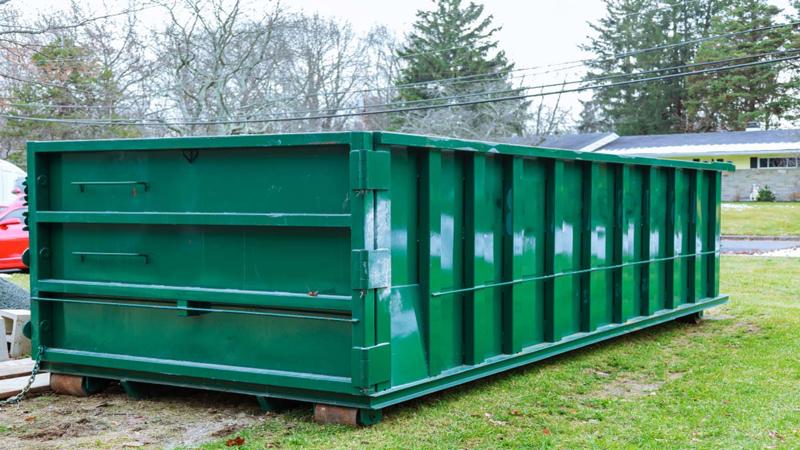
Dumpster rental is often the first thing homeowners search for when they realize how fast debris piles up during a project.
I learned that the hard way during my first home renovation.
I thought a few trash bags would handle everything.
Within two days, my driveway looked like a construction zone.
That’s when I understood why choosing the right waste container matters.
A good dumpster rental saves time, keeps your property clean, and prevents repeated trips to the dump.
But for first-time homeowners, choosing the right size can feel confusing.
Let’s break it down in simple terms so you don’t make the same mistakes.
Why Size Matters More Than You Think
Picking the wrong container size can cost you more than you expect.
Too small, and you’ll need a second haul.
Too big, and you’re paying for space you never use.
When I first rented one, I chose the cheapest option.
By day three, it was overflowing.
I had to order another pickup, which doubled my cost.
The right size depends on your project, not just your budget.
Think about the volume of debris, not just how big your space looks.
Heavy materials like concrete or roofing shingles take up less space but add weight.
Light materials like drywall or furniture fill space quickly.
Understanding this balance helps you choose correctly the first time.
If you are unsure what size fits your project, checking a trusted guide like this dumpster rental resource can help you avoid costly mistakes.
Common Dumpster Sizes and What They Handle
Most waste containers come in standard sizes.
Knowing what each size handles will save you a lot of stress.
10-Yard Dumpster: Small Cleanups
A 10-yard container is perfect for small projects.
Think garage cleanouts, yard debris, or a single-room renovation.
It holds about three pickup truck loads of waste.
I used one for a bathroom remodel, and it was just enough.
If you’re only removing cabinets, tiles, or small furniture, this size works well.
20-Yard Dumpster: The Most Popular Choice
This is the go-to option for many homeowners.
It works well for medium projects like kitchen remodels or flooring replacement.
It can handle around six pickup truck loads.
When I redid my kitchen, this was the perfect size.
It gave me enough space without feeling oversized.
If you’re unsure, this is usually a safe starting point.
30-Yard Dumpster: Bigger Renovations
Planning a major renovation.
You’ll likely need a 30-yard container.
This size handles large furniture, drywall, and bulk debris.
It’s common for full-home cleanouts or construction jobs.
A friend of mine used this for a full house flip, and it kept everything organized.
40-Yard Dumpster: Major Projects Only
This is the largest option available.
It’s best for commercial projects or full demolition jobs.
Most homeowners don’t need this unless they’re tearing down walls or doing large-scale renovations.
If you think you need this size, you’re probably working on a serious project.
How to Choose the Right Dumpster Size
Choosing the right size isn’t just about guessing.
There’s a simple way to estimate your needs.
Think in Pickup Truck Loads
Most rental companies describe sizes this way.
If your project equals four pickup loads, you need at least a 20-yard container.
This method makes estimating much easier.
Consider the Type of Debris
Different materials behave differently.
Heavy materials like concrete or bricks may require smaller containers due to weight limits.
Bulky items like furniture need more space even if they’re lighter.
Plan for Extra Space
Always go one size bigger if you’re unsure.
It’s cheaper than ordering a second container.
I learned this lesson after overfilling my first bin.
A little extra space gives you peace of mind.
Placement Tips for First-Time Renters
Where you place your container matters more than you think.
The wrong placement can damage your driveway or block access.
Driveway vs Street Placement
Driveways are the most common option.
They keep the container close to your work area.
But heavy containers can crack concrete.
Using plywood underneath helps protect the surface.
Street placement may require permits depending on your city.
Always check local rules before delivery.
Keep It Accessible
Make sure there’s enough space for delivery trucks.
Low-hanging wires or tight corners can cause problems.
I once had a driver refuse delivery because of a narrow entry.
That delayed my project by two days.
What You Can and Cannot Throw Away
Not everything can go into a dumpster.
Understanding the rules helps you avoid extra fees.
Allowed Items
Most household junk and construction debris are accepted.
This includes wood, drywall, furniture, and yard waste.
General cleanouts are usually straightforward.
Restricted Items
Hazardous materials are not allowed.
This includes paint, chemicals, batteries, and tires.
Electronics may also require special disposal.
Always check guidelines before tossing items in.
Ignoring this can lead to fines or rejected pickups.
Cost Factors You Should Know
Pricing isn’t just based on size.
Several factors affect the total cost.
Rental Duration
Most rentals come with a set number of days.
Keeping it longer can add extra charges.
Plan your project timeline carefully.
Weight Limits
Every container has a weight limit.
Exceeding it can result in overage fees.
Heavy materials add up quickly.
Location and Delivery Fees
Your location can impact pricing.
Distance, accessibility, and local regulations all play a role.
Real-Life Mistakes to Avoid
First-time renters often make the same mistakes.
Learning from others can save you time and money.
I once filled a container without breaking down furniture.
It took up twice the space it should have.
Cutting items into smaller pieces makes a big difference.
Another mistake is waiting too long to book.
During peak seasons, availability can be limited.
Booking early ensures you get the size you need.
Final Thoughts for First-Time Homeowners
Choosing the right dumpster rental doesn’t have to be complicated.
Think about your project size, type of debris, and timeline.
Start with a realistic estimate and add extra space if needed.
From my experience, planning ahead makes the entire process smoother.
The right container keeps your project organized and stress-free.
Whether you’re cleaning out a garage or renovating your home, the right choice will save you time, money, and effort.