
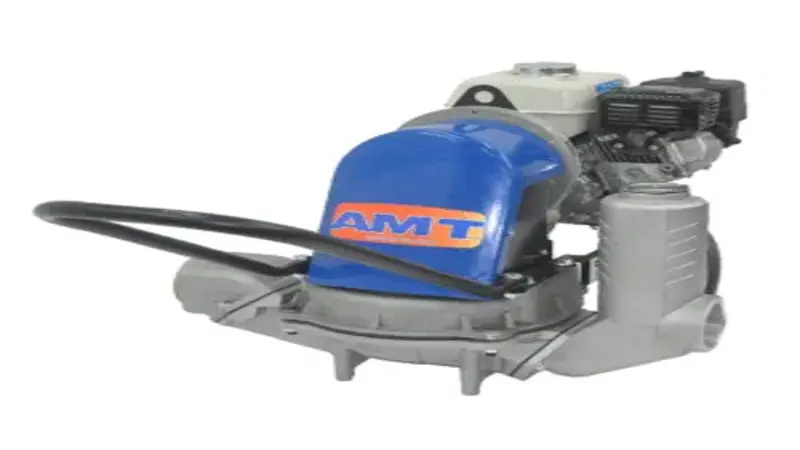
AMT diaphragm pump parts play a bigger role in pump performance than most people realize. I learned this the hard way the first time I dealt with a flooded construction site and the pump stalled halfway through the job. At the time, I didn’t know the difference between a worn diaphragm, a clogged valve, or a loose connection—I just knew the water wasn’t moving. That moment taught me how much these small internal components determine whether a pump works flawlessly or fails at the worst possible time.
When you understand how each part behaves under pressure, heat, vibration, and sediment, you suddenly see why routine checks matter. You also start noticing early warning signs long before a breakdown happens. If you’re shopping for replacements or upgrading your system, this link may help you compare AMT diaphragm pump parts used in different pump styles and flow setups.
How diaphragm-driven systems really work in the field
A diaphragm pump depends on rhythmic flexing to push water, slurry, mud, or debris from one chamber to another. That flexing only works correctly when the diaphragm is intact and the valves open and close at the right pace. Every time you’re pumping thick or abrasive material, those internal pieces take a hit. Over time, you’ll feel performance changes long before you see visible damage.
I’ve watched pump operators assume the engine was losing power when, in reality, the diaphragm had tiny tears, causing inconsistent pressure. The pump didn’t sound wrong, but the flow pattern was uneven—almost like the pump was breathing off rhythm. Once the diaphragm was replaced, the difference was instant, and the engine sounded normal again.
Why the diaphragm is the “heart” of the entire system
The diaphragm takes on the same role as a piston would in a different style of pump. It expands, contracts, and maintains suction without allowing liquid to cross into the mechanical side. When it wears down, suction drops, the pump strains harder, and flow becomes unpredictable. This is usually the first part most professionals learn to inspect because a good diaphragm can make an old pump feel brand new.
Check valves: the underrated MVPs
Check valves quietly control the direction of the flow. When debris jams inside them, the pump loses efficiency and starts pulsing harder than it should. I once worked with a landscaping team draining a pond, and they kept hearing a knocking sound inside their pump. It turned out to be a shredded leaf stuck in a check valve, preventing it from sealing properly. A 30-second cleaning fixed what looked like a major issue.
Common signs your pump parts are wearing down
You can often feel issues before you see them. Every pump gives signals—slow operation, higher vibration, or the smell of overheating.
Here’s what usually shows up first:
1. Irregular flow or pulsing
This is classic diaphragm fatigue. Even small cracks cause inconsistent movement inside the chambers. If water output feels unstable, it’s time to check the diaphragm and the valve seats.
2. Difficulty priming
When the pump takes longer than usual to prime, it often points to loose fasteners, air leaks, or worn valve plates. Trapped air prevents suction from forming efficiently.
3. Loud knocking sounds
A knocking or clicking noise often means debris is stuck in a valve or the diaphragm is slapping harder due to internal pressure changes.
4. Reduced output with no engine issues
If your engine runs perfectly but water flow drops, the internal parts—not the motor—are the problem.
Real-life failures that teach the most
Working on agricultural pumps in muddy fields taught me more about these systems than any manual. One season, a farmer called me because his pump kept shutting off after ten minutes of irrigation. Everyone assumed overheating was the culprit. It turned out the diaphragm had softened from oil exposure, creating a slow pressure leak. Replacing it restored the pump instantly, and the irrigation schedule went back to normal.
In another case, a concrete cleanup crew kept burning through valves every few weeks. After watching them operate, I realized they were running the pump dry for long stretches. Without liquid for lubrication, internal parts were slamming against each other. Small adjustments to their workflow nearly doubled the lifespan of their components.
What to look for when choosing replacement parts
Buying replacements isn’t just about matching part numbers. Quality and materials affect how long each component lasts, especially in harsh environments.
Material compatibility
Always match the diaphragm material to the type of liquid you’re pumping. Water, chemicals, sediment-heavy waste, and abrasive sludge each require different flexibility and resistance.
Valve construction
Stainless steel, thermoplastic, and rubber-based valves all behave differently under load. Choose based on your operating temperature, fluid type, and intended runtime.
Fastener strength
Loose fittings allow air to seep in and ruin suction. Reinforced fasteners maintain seal integrity and prevent unnecessary vibration.
Why taking care of small parts prevents expensive failures
Most pump failures aren’t dramatic. They’re slow, quiet, and build up over weeks or months. A weakened diaphragm wastes fuel, reduces output, and forces the engine to work harder than necessary. A sticky valve causes suction loss that leads to overheating or premature mechanical wear. Regular checks save money simply by catching these issues before they snowball.
I’ve seen teams spend thousands replacing entire pumps when a $30 valve or diaphragm would have fixed everything. Learning the internal habits of your pump helps you avoid that mistake.
When to replace instead of repair
Sometimes replacement is simply smarter and cheaper than repairing. If the pump is used daily in construction, agriculture, or emergency flooding, wear accelerates quickly. When you notice multiple components failing in close succession, it’s usually a sign the system is aging out. In these cases, installing fresh parts across the board resets performance and extends the overall lifespan.
Final thoughts
Diaphragm-driven pumps rely on a delicate balance of internal components working together under constant stress. Understanding how each part behaves helps you anticipate failures, maintain efficiency, and avoid downtime. Once you’ve handled enough real-world scenarios, you learn that even the smallest part can determine whether a job finishes on time or comes to a grinding halt.

