
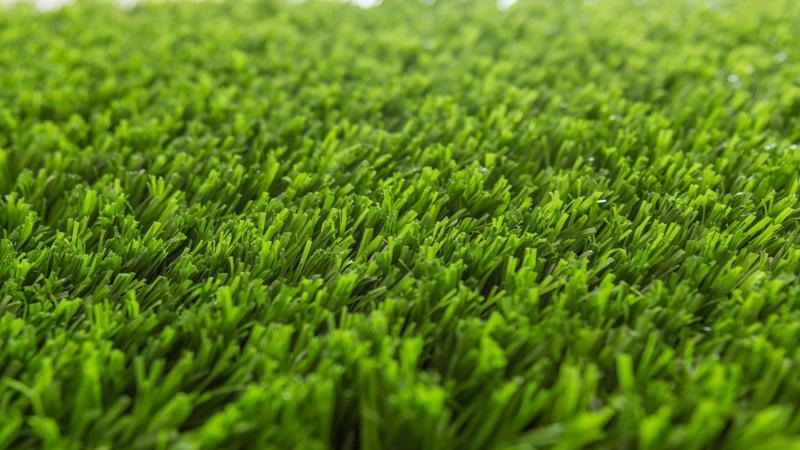
Artificial turf installation has become a game-changer for homeowners, schools, and commercial properties looking to ditch the mower and embrace a low-maintenance lifestyle. But if you think it’s as simple as rolling out some green carpet and calling it a day, think again. Where you live—your climate, soil, and seasonal shifts—can make or break your turf experience.
Why Climate Matters More Than You Think
I live in Arizona, where temperatures regularly flirt with 110°F. When I first considered switching to synthetic grass, I didn’t think the climate would pose a challenge. Boy, was I wrong.
I opted for a cheap turf from a big-box store and had it installed in late June. By August, my backyard felt like a stovetop. The turf had no cooling infill, and the sub-base wasn’t prepared properly. Walking barefoot? Forget it. That mistake taught me that choosing the right materials and installation method for your environment is crucial—not optional.
Understanding the Basics of Artificial Turf Installation
Before we dive into climate specifics, let’s quickly run through what a proper artificial turf installation looks like.
You start with removing existing grass and grading the soil. Then comes a compacted base layer, typically crushed rock or decomposed granite. This base must allow water to drain and turf to stay level. After that, a weed barrier is laid, followed by the turf itself. Once positioned, the turf is secured with nails or staples, seams are glued, and infill is added.
Each of these steps can be customized depending on where you live.
To understand how the artificial turf installation process can actually save money in the long run, it’s worth looking into more detailed breakdowns of the materials and time involved.
Hot Climates: Keep Cool and Choose Wisely
If you’re in places like Texas, Nevada, or Southern California, your main enemy is heat retention. Not all turf is made equal when it comes to keeping cool.
Look for products with lighter-colored blades and heat-reflective infill. Some newer models even include built-in cooling technologies that can drop surface temps by up to 30%. I learned this the hard way—when I replaced my old turf with a more breathable, sand-infill type, it was like stepping into shade even under direct sun.
Also, ensure your base layer drains efficiently. Dry climates often come with surprise rainstorms, and poor drainage can lead to standing water, mold, or turf damage.
Cold Climates: Freeze-Proof Your Lawn
If you’re living somewhere that sees snow—think Illinois, New York, or Colorado—your biggest concern is frost heave and drainage.
Sub-base preparation is everything. Crushed rock and a properly compacted surface prevent expansion from ice buildup. You’ll also want a permeable turf that drains quickly to avoid freeze-thaw damage.
Another tip? Avoid turf with a thick backing. When snow sits on top, a rigid base won’t let it breathe, causing more damage when temperatures fluctuate.
I spoke to a neighbor in Michigan who had to rip out his entire front yard because the installer used a hard plastic barrier instead of breathable geotextile fabric. After just one winter, the seams separated, and ice had lifted the edges.
Rainy Regions: Drainage Is Your Best Friend
Living in the Pacific Northwest or the Southeast? Your artificial turf needs to handle heavy rain like a pro.
Choose a turf with a punched drainage system—tiny holes across the surface that allow water to escape quickly. Equally important is the slope of your yard. Water should flow away from structures, not pool around them.
I once did an install in Portland where the yard had a slight dip in the center. Even with premium turf, puddles formed because the base layer wasn’t leveled properly. A simple regrade fixed the issue—but it reminded me how much drainage affects long-term turf success.
Humid Climates: Say No to Mold and Mildew
Florida and coastal regions have their own set of problems: high humidity. Artificial turf can trap moisture, especially under shady areas, and this creates the perfect storm for mold and mildew.
Solution? Use antimicrobial infill like zeolite and make sure airflow under the turf is maintained. A good installer will suggest turf with ventilation features in these cases. Also, regular brushing of the turf helps keep airflow and sunlight consistent across the surface.
A client in Tampa once told me their backyard started to smell after a few months. Turns out, the installer had skipped the weed barrier and used cheap rubber infill. Switching to zeolite and power-brushing the turf twice a month solved the issue.
High-Traffic Zones: Think Durability Over Aesthetics
Does your turf need to stand up to kids, pets, or daily foot traffic? Durability should be your top priority. Opt for a product with a high face weight and short pile height.
In dry climates, you might be tempted to go for the longest, lushest blades. But they flatten easily under pressure and can look worn out within a year.
In Colorado, a school I worked with installed tall-blade turf in a playground. After one season, the turf was matted beyond recognition. We swapped it out for a multi-blend, shorter turf with strong blade recovery, and it’s held up beautifully—even through snowball fights and soccer drills.
Final Tips for a Long-Lasting Artificial Turf Experience
- Go local: Always work with an installer familiar with your region’s climate challenges.
- Don’t skip the base layer: A well-graded, compacted sub-base is non-negotiable.
- Choose quality infill: From cooling to odor control, the right infill makes a world of difference.
- Clean regularly: Rinse down your turf and brush it to prevent buildup of organic debris.
- Know your warranty: Not all turf warranties cover climate damage. Read the fine print.
Real-World Takeaway
Artificial turf installation isn’t just about going green—it’s about staying green, season after season. The best install I’ve ever seen was in Utah, where the homeowner had done his research. He used a drainage-friendly base, breathable turf, and silica sand infill. Three years later, it still looked brand new.
Whether you’re battling heat waves, snowstorms, or monsoons, tailoring your turf to your climate is the smartest way to ensure it lasts and looks good doing it.
Don’t just install turf.
Install it right for your world.